The Manufacturing of Hi-Vis Workwear : Industry Insights
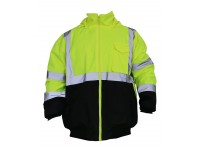
Hi-Vis workwear plays a critical role in ensuring safety in hazardous environments. From construction sites to logistics hubs, these garments are designed to make workers visible under all conditions. Behind the functionality lies a sophisticated manufacturing process, driven by innovation, compliance, and a commitment to quality.
Materials Used in Hi-Vis Workwear
-
Fluorescent Fabrics
-
Colors: Fluorescent yellow, orange, and green are the most common due to their high visibility during the day.
-
Material: Typically made from polyester or blends, these fabrics are lightweight, durable, and UV-resistant.
-
Retro-Reflective Tapes
-
Reflective tapes are critical for nighttime visibility. They work by reflecting light from sources like vehicle headlights.
-
Popular options include micro-prismatic tapes and glass bead tapes, each offering different levels of reflectivity and durability.
-
Specialized Coatings
-
Hi-Vis fabrics often come with additional coatings for water resistance, flame retardancy, or chemical protection, depending on the intended application.
Manufacturing Process
-
Material Sourcing and Preparation
-
High-quality raw materials are sourced to meet strict safety standards such as EN ISO 20471 or ANSI/ISEA 107.
-
Fabrics are pre-treated with dyes and coatings to achieve the desired fluorescent colors and performance properties.
-
Design and Cutting
-
Computer-aided design (CAD) software is used to create patterns that optimize material usage and ensure ergonomic fit.
-
Automated cutting machines enhance precision and efficiency.
-
Reflective Tape Application
-
Reflective tapes are applied using heat-sealing or stitching techniques to ensure they remain securely attached, even in harsh conditions.
-
Assembly and Sewing
-
Skilled workers or automated sewing machines assemble the garments, ensuring durability and comfort.
-
Key features such as reinforced seams, ventilation panels, and pockets are integrated into the design.
-
Quality Assurance
-
Every garment undergoes rigorous testing, including visibility performance, durability, and comfort.
-
Compliance with safety standards is verified before distribution.
Challenges in Hi-Vis Workwear Manufacturing
-
Balancing Cost and Quality
-
Manufacturers face the challenge of producing affordable garments without compromising on safety and durability.
-
Meeting Evolving Standards
-
Adapting to changing global and regional safety standards requires constant updates in materials and processes.
-
Sustainability Concerns
-
There is increasing pressure to reduce waste, adopt eco-friendly materials, and implement sustainable production practices.
Innovations in Hi-Vis Workwear Manufacturing
-
Smart Workwear
-
Hi-Vis garments integrated with IoT sensors, GPS, and LED lights are becoming popular for enhanced worker safety and monitoring.
-
Sustainable Materials
-
Recycled polyester and biodegradable fabrics are being introduced to reduce environmental impact.
-
Advanced Printing Techniques
-
Digital printing allows for customizable designs without compromising the garment’s high-visibility properties.
The Role of Automation
Automation is transforming the Hi-Vis workwear manufacturing process. From automated cutting to robotic sewing, technology is reducing production time, improving precision, and lowering costs. AI-powered quality control systems ensure that each garment meets stringent safety standards.
Future Outlook
The Hi-Vis workwear manufacturing industry is poised for growth, driven by:
-
Technological Advancements: Integration of smart technologies and sustainable materials.
-
Regulatory Push: Stricter safety standards across industries.
-
Global Expansion: Growing demand in emerging markets with increasing industrialization.
By embracing innovation and sustainability, manufacturers can not only meet market demands but also contribute to a safer, more environmentally friendly future.